
The photoperiod (the hours of light and darkness a plant receives each day) is, together with genetics, the factor that most determines when and how a crop flowers. A poorly set photoperiod can delay flowering, cause light stress or even send a plant back into the vegetative stage, burning weeks of growing.
In this article we go over how to calculate it correctly according to the type of genetics and which equipment makes it easier to keep it stable.
What the photoperiod is and why it decides flowering
Crop plants read the length of uninterrupted night as the signal to change stage. When that dark phase exceeds a threshold (normally between 9 and 12 consecutive hours, depending on the variety), the plant triggers the hormonal mechanisms that start flowering. That is why "giving more or less light" is not enough: what matters is the continuity of the darkness.
A single light interruption during the night can reset the count and delay flowering, or cause hermaphroditism through stress.
Photoperiod vs. autoflowering: two different logics
- Photoperiod genetics: they depend entirely on the light cycle you impose. It is the grower who decides when they move from vegetative growth to flowering by changing the cycle.
- Autoflowering genetics: they flower by age (generally between 3 and 5 weeks from germination), regardless of the photoperiod. They tolerate longer light cycles without any need to force the change.
Knowing the exact genetics before fixing the light cycle is the first step: applying a cycle meant for photoperiod plants to an autoflowering one (or the other way round) is one of the most common mistakes in mixed grows.
Recommended light cycles by stage
| Stage | Photoperiod genetics | Autoflowering genetics |
|---|---|---|
| Germination/seedling | 18/6 or 20/4 | 18/6 or 20/4 (some growers use 24/0) |
| Growth/vegetative | 18/6 | 18/6 (kept for the whole life of the plant) |
| Flowering | 12/12 (total, uninterrupted darkness) | Not applicable: it flowers by age, not by cycle |
| Finishing | 12/12, sometimes with a final stretch at 10/14 for some growers | 18/6 until harvest |
The critical point with photoperiod plants is the flowering stage: any light leak during the 12 hours of darkness (a gap, an LED indicator, a badly closed door) can cause re-vegetation or stress that reduces resin production and final yield.
How to work out the cycle change step by step
- Identify the genetics and check whether they are photoperiod or autoflowering (the seed bank always states it).
- In vegetative growth, keep 18 hours of light / 6 of darkness until the plant reaches the desired size (normally 50-60% of the final size, since photoperiod plants keep stretching during flowering).
- To switch to flowering, change straight to 12/12 and do not alter it until the end of the cycle.
- Check the light tightness of the growing space: any point of light during the dark phase must be eliminated.
- Automate the change with a timer or controller to avoid human error, especially where the cycle repeats every day for months.
Which equipment helps keep the photoperiod stable
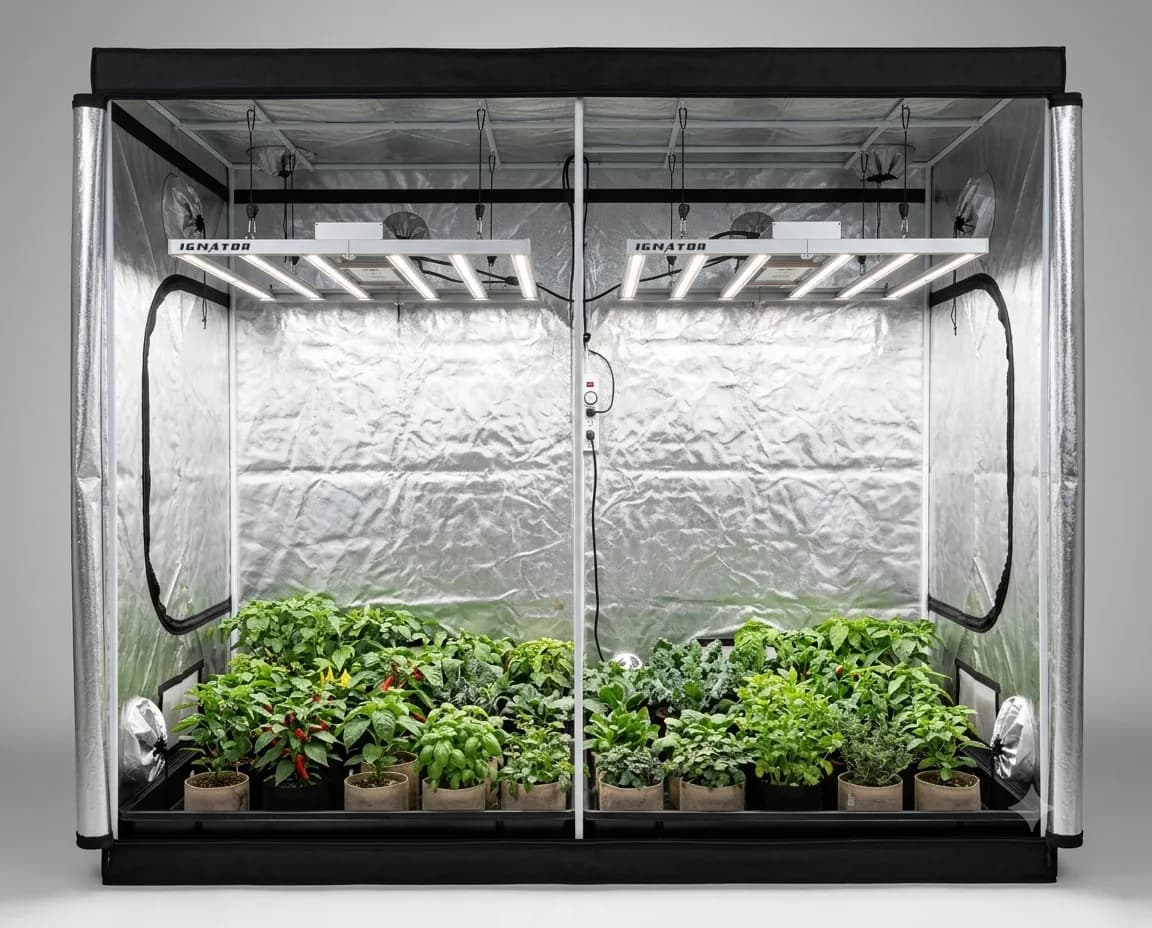
Automating the light cycle is the most reliable way to avoid photoperiod mistakes, particularly in grows with several spaces or overlapping cycles (vegetative and flowering at the same time). The Ignator Light Control LC1 controller lets you programme and automate on/off cycles precisely, avoiding the manual error of forgetting to switch the light off or on in time.
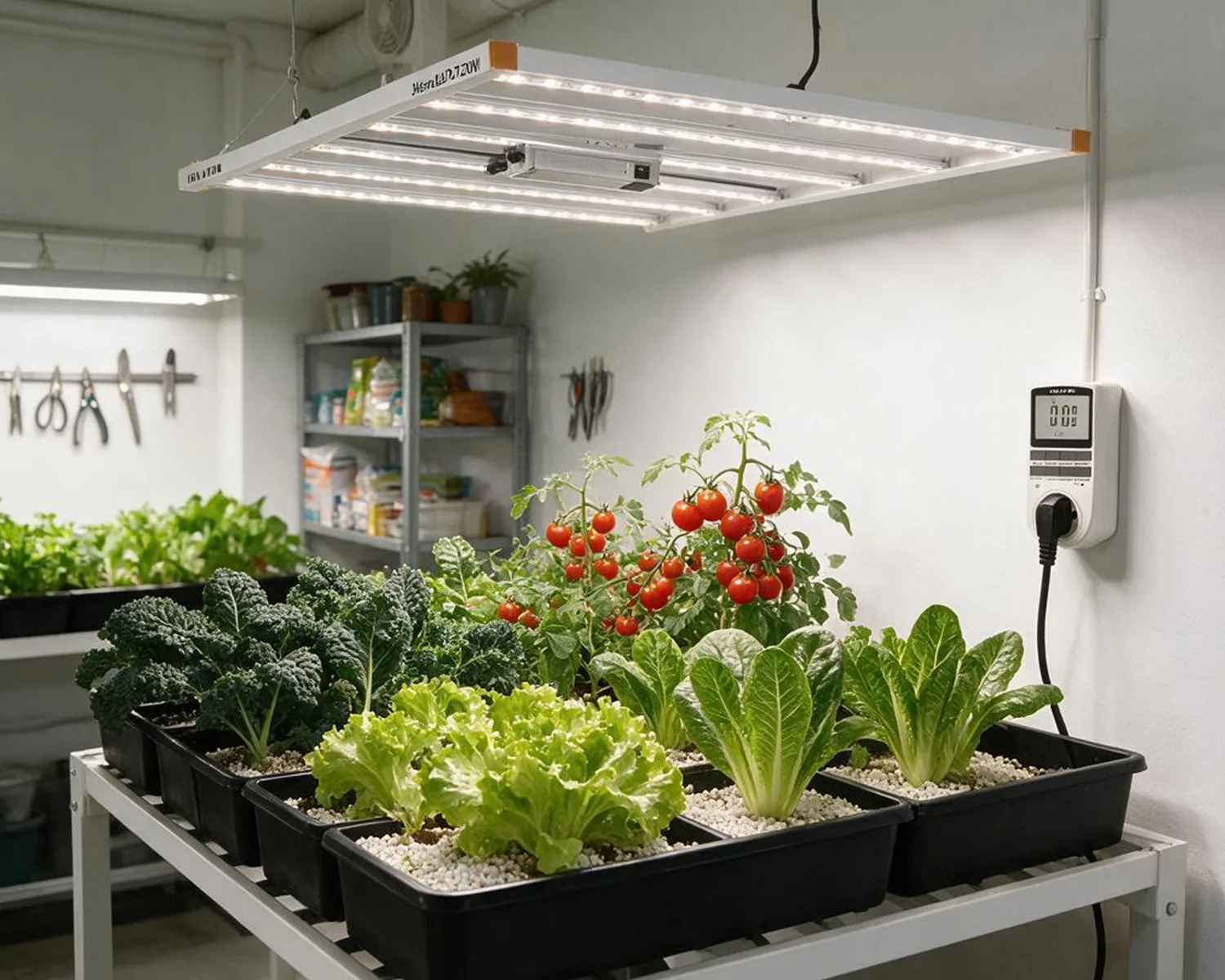
As for the light fixture itself, the plant's response to the photoperiod also depends on the spectrum and the intensity received during the active light hours. The Ignator HeroLED range covers the different stages:
- Ignator HeroLED B26W Flowering 2700K: warm spectrum designed specifically for the flowering stage at 12/12.
- Ignator HeroLED D720W and Ignator HeroLED T720W Compact 2.95PPE: high-efficiency (PPE) fixtures for larger growth and flowering spaces.
- Ignator CanopyLED B120W: supplementary LED bars to reinforce the canopy and improve light uniformity throughout the cycle.
Conclusion
The photoperiod is not a generic setting: it depends on whether the genetics are photoperiod or autoflowering, and a mistake in managing it can cost weeks of growing or part of the harvest. Automating the cycle with a controller such as the Ignator Light Control LC1 and choosing the right fixture for each stage reduces the margin for human error and ensures a clean, consistent stage transition.
Browse the full Ignator catalogue at Natural Systems.