
Prevention costs less than a cure
A curative treatment applied once the pest is already established means lost yield, higher spending on product and a risk of resistance.
Preventive plant health rests on three pillars:
- Environmental control
- Regular inspection
- Application of biological products before any outbreak
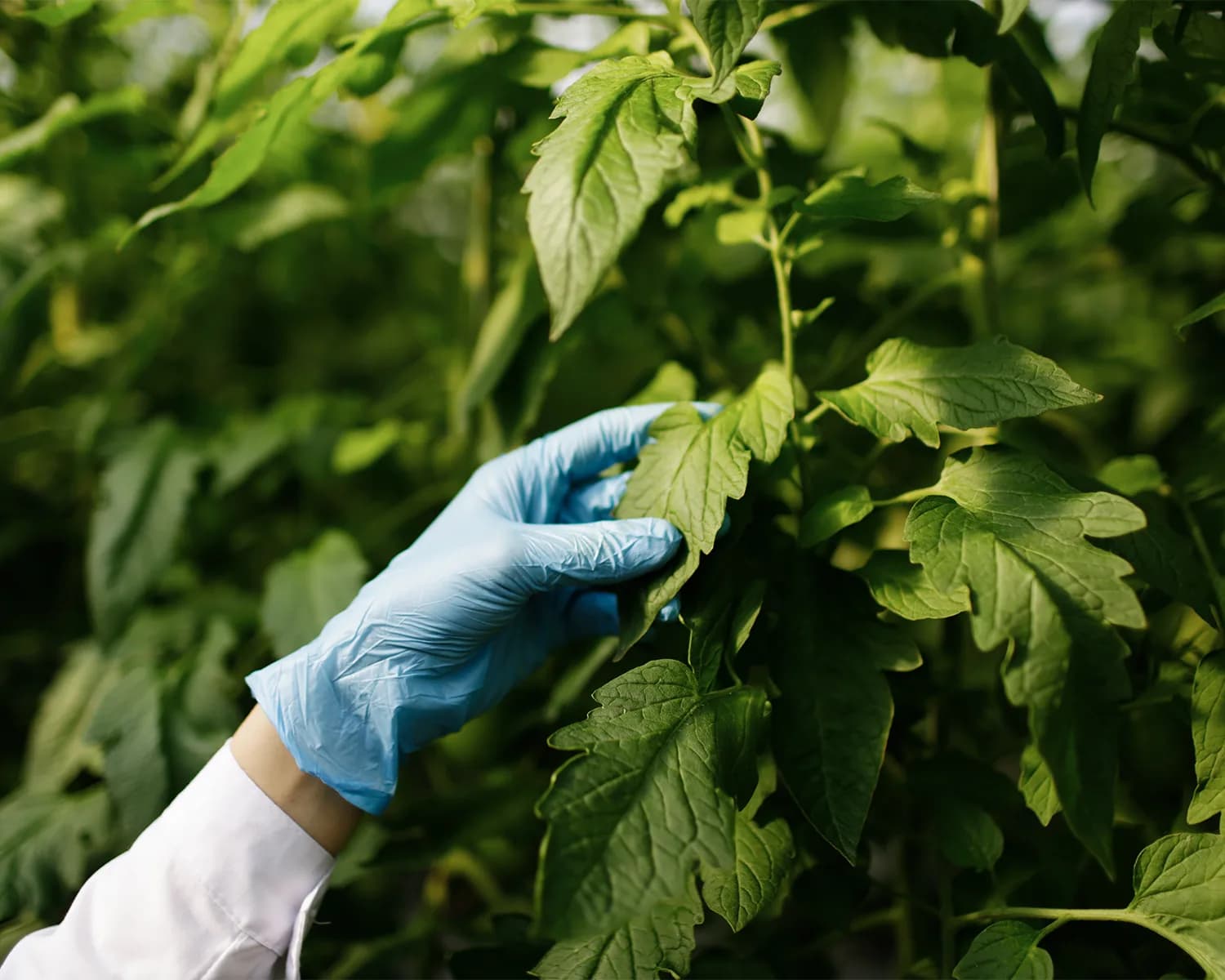
A crop inspected weekly picks up a pest in its early stage, when a single localised treatment solves it; the same crop inspected only when "something looks wrong" usually finds the pest already spread to several plants, calling for more aggressive treatments and putting the harvest at greater risk.
The most common pests and how to spot them in time
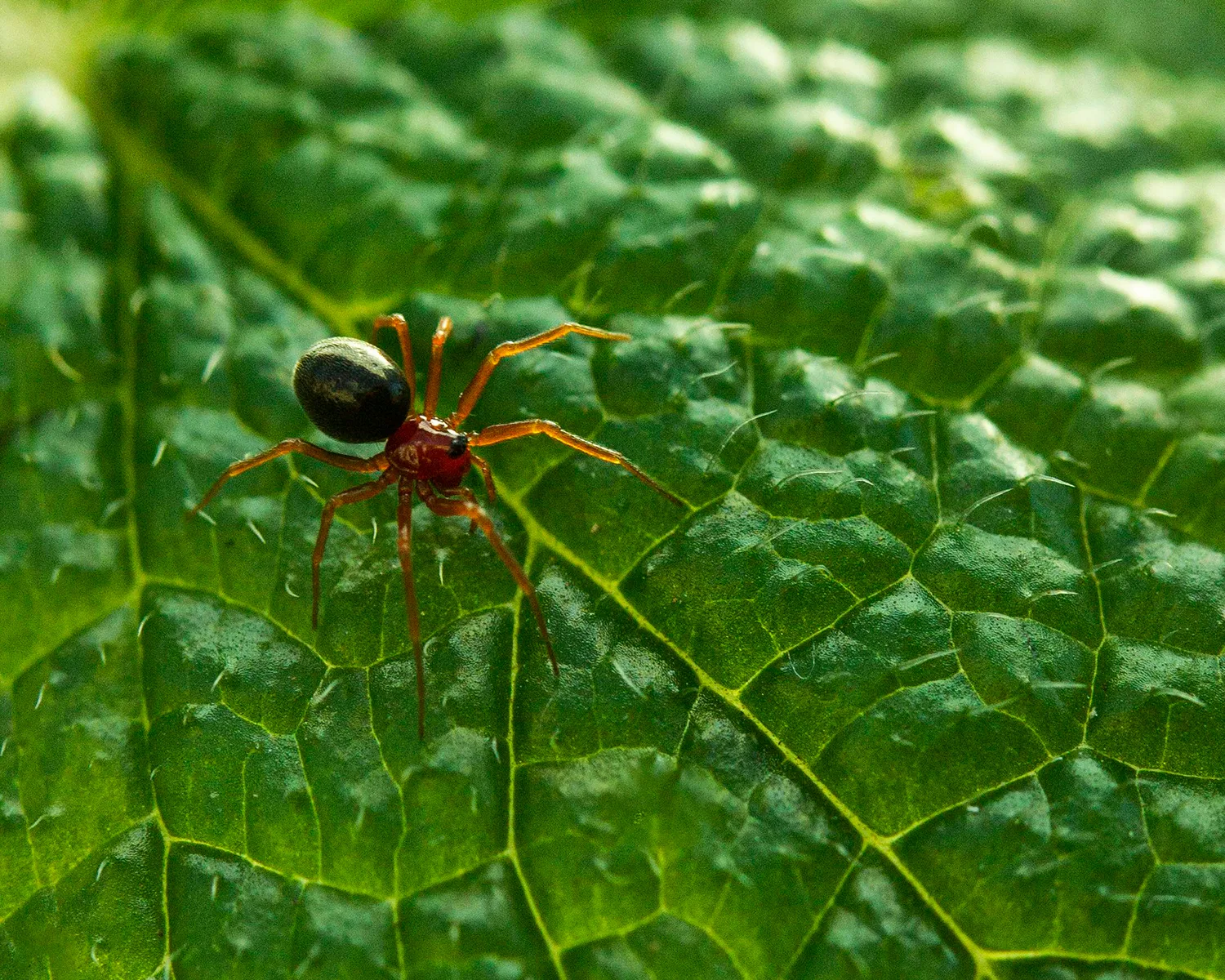
- Two-spotted spider mite: yellowish speckling on the underside of the leaf, fine webbing in advanced cases. It thrives in low humidity and heat, which makes it the most common indoor pest during the warmest months.
- Whitefly: white insects that fly up when the plant is moved. It reproduces quickly in warm, poorly ventilated environments; its larvae attach to the underside of leaves and are harder to eliminate than the adults.
- Thrips: elongated silvery patches on the leaves, with small black dots (droppings). Hard to see with the naked eye, they call for blue sticky traps for early detection, since by the time the damage is visible the population is already established.
- Aphids: visible colonies on tender shoots and the underside of young leaves; they leave honeydew that encourages sooty mould (a secondary blackish fungus).
- Broad mites (less frequent but serious): deformed, brittle new leaves and stalled apical growth; diagnosis requires a magnifying glass because of their microscopic size.
The most frequent fungal problems
- Powdery mildew: white powder on the leaf surface, encouraged by high humidity combined with poor ventilation and sharp day/night temperature swings.
- Botrytis (grey mould): attacks dense buds and stems, critical during flowering with relative humidity above 55-60%. It is particularly dangerous because it can develop inside the bud with no visible external symptoms until advanced stages.
- Pythium: root rot in waterlogged or poorly drained growing media; the roots turn from white to brown and develop an unpleasant smell.
- Fusarium: progressive wilting of the plant despite correct watering, with internal darkening of the stem; hard to recover from once established.
Basic preventive protocol
- Control relative humidity according to the stage: higher in vegetative growth (55-65%), lower in late flowering (40-50%) to reduce the risk of botrytis.
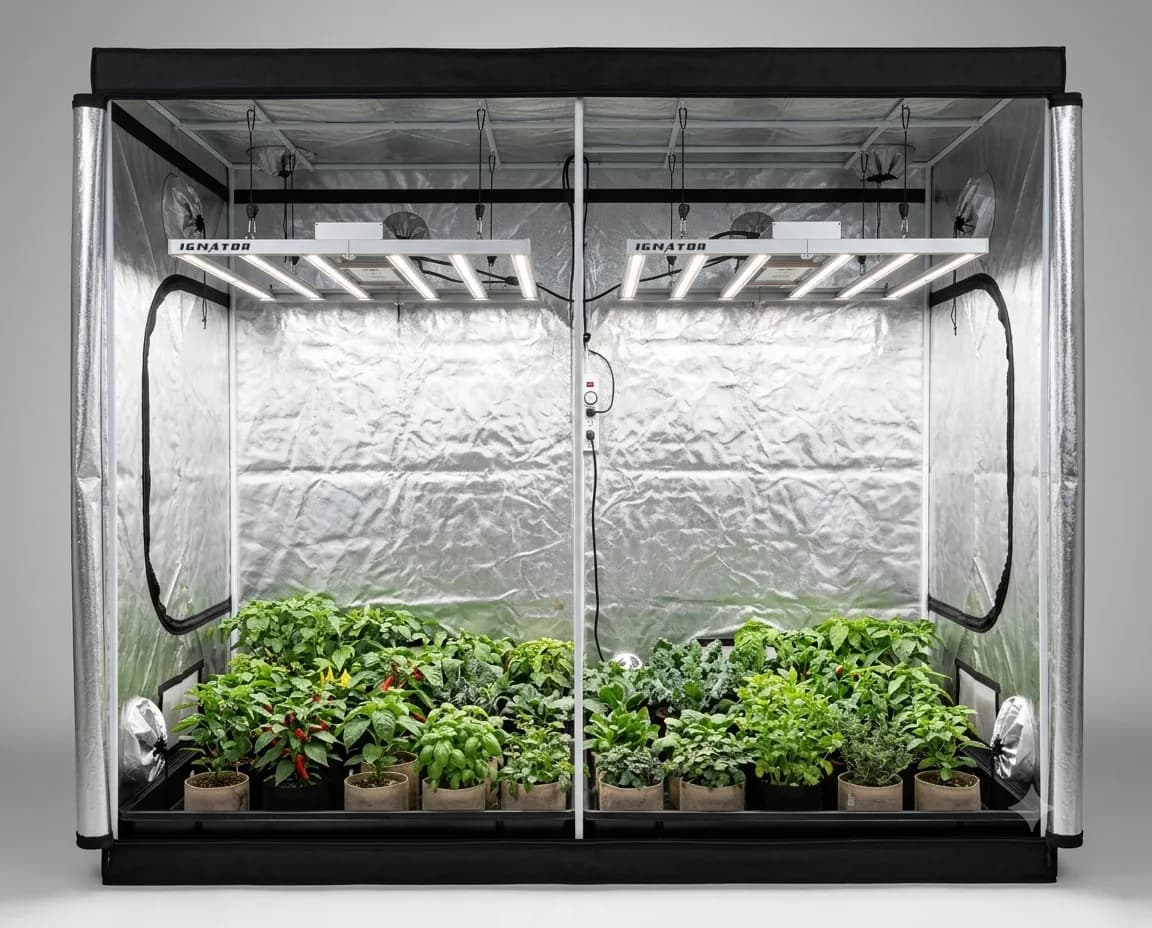
- Improve air circulation with internal fans, not just extraction; stagnant air inside the canopy is the main risk factor for fungal problems.
- Apply preventive biological products (bacillus, trichoderma, essential oils) on a regular cycle, not only when symptoms appear. Preventive application acts as a barrier before the pest or the fungus becomes established.
- Check the underside of the leaves weekly, not just the upper surface: most pests settle there first.
- Quarantine new plants (clones, cuttings or outdoor plants) before introducing them into the main grow, for at least one week.
TagsIndoor growingPlant healthPests and diseases
Back to Knowledge