
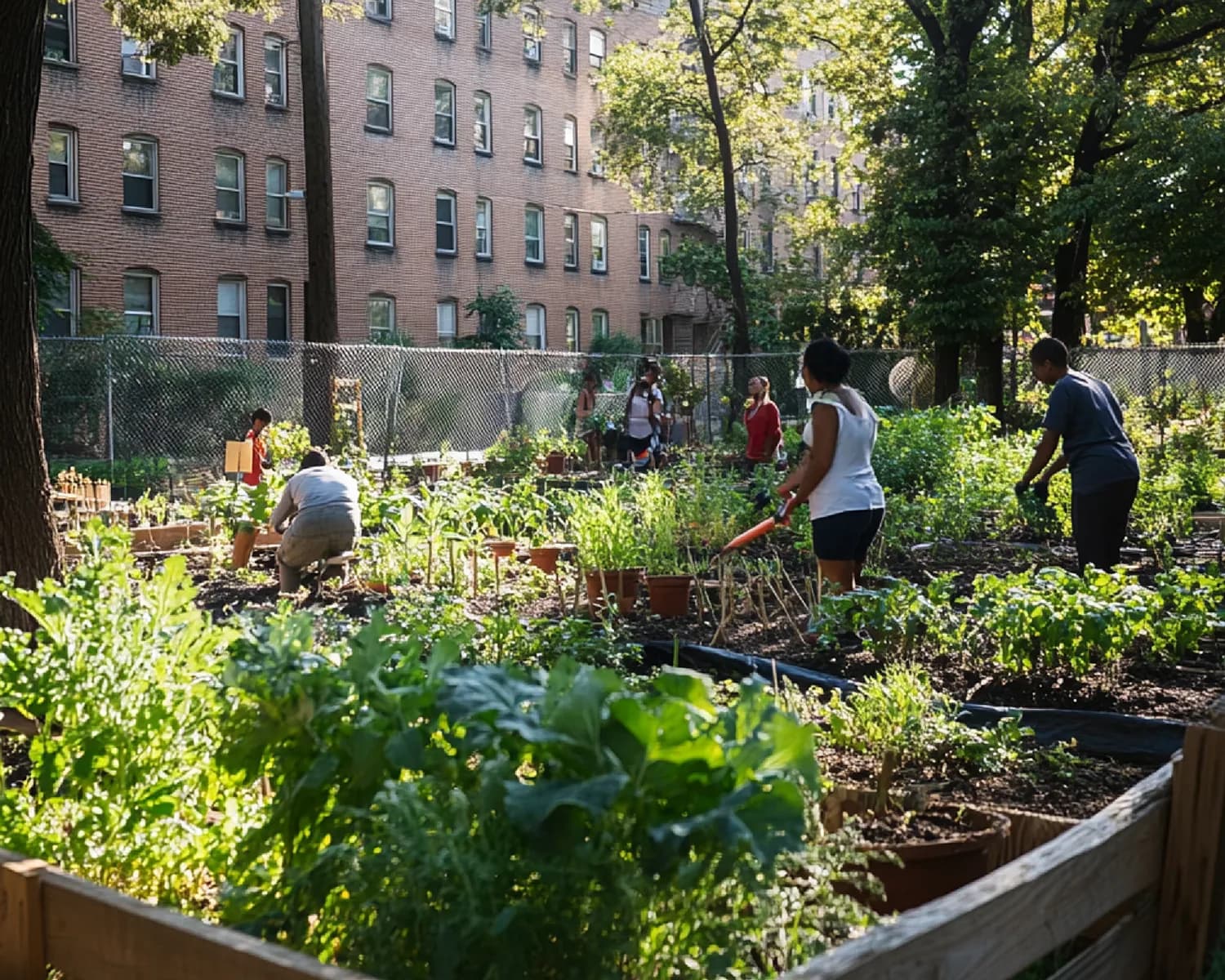
You do not need a large garden to grow your own vegetables and herbs: a balcony or a terrace with a few hours of sun a day is enough to set up a working urban garden.
The key is to choose the location, the growing medium and the pots correctly from the start, so you do not carry mistakes with you all season long.
Here is the step-by-step guide.
Step 1: choose the location according to the available light
Before buying anything, note how many hours of direct sun your balcony or terrace receives:
- 6 hours or more of direct sun: ideal for tomatoes, peppers, aubergines, courgettes and most fruiting vegetables.
- 3-6 hours of sun: works well for lettuces, spinach, chard and most herbs (basil, mint, spearmint, parsley).
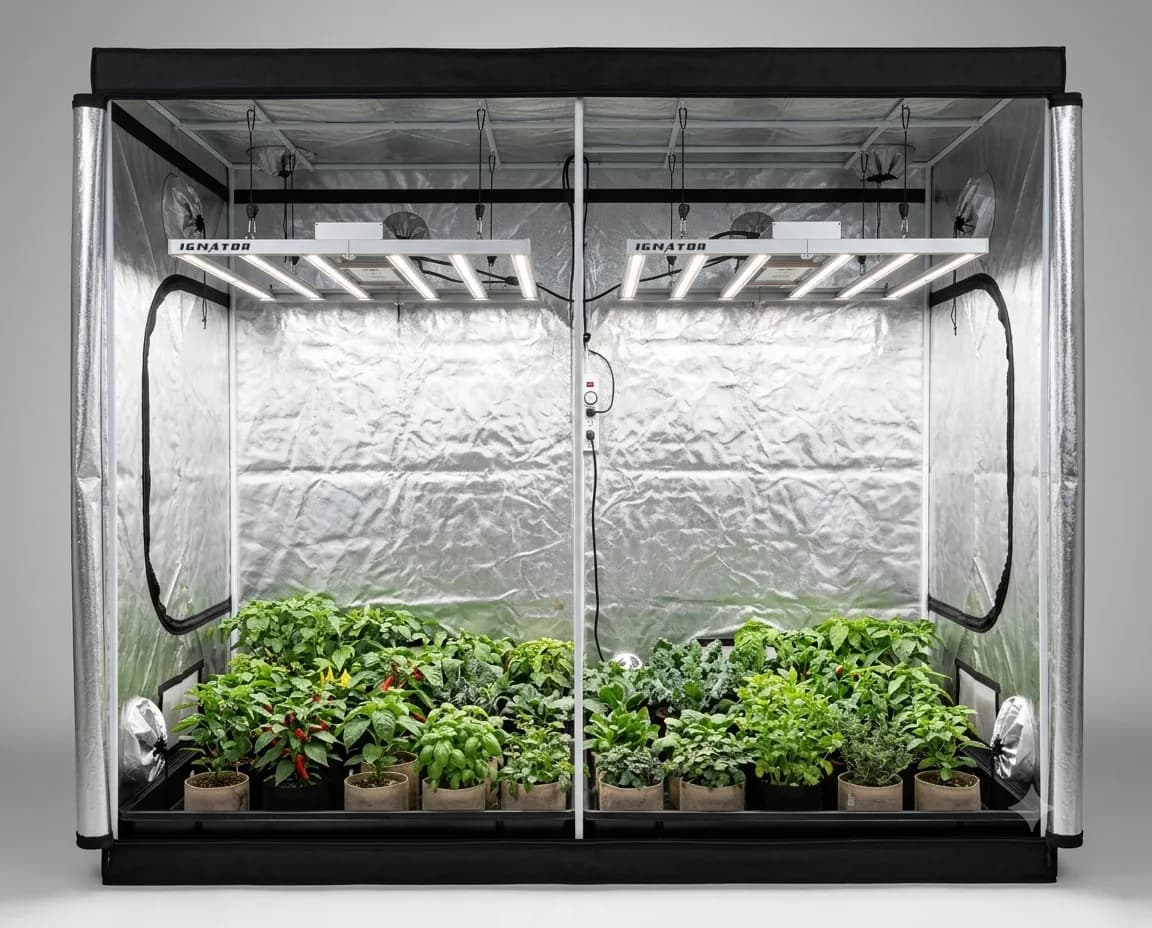
- Less than 3 hours / partial shade: go for leafy species that tolerate low light, or consider adding supplementary artificial light.
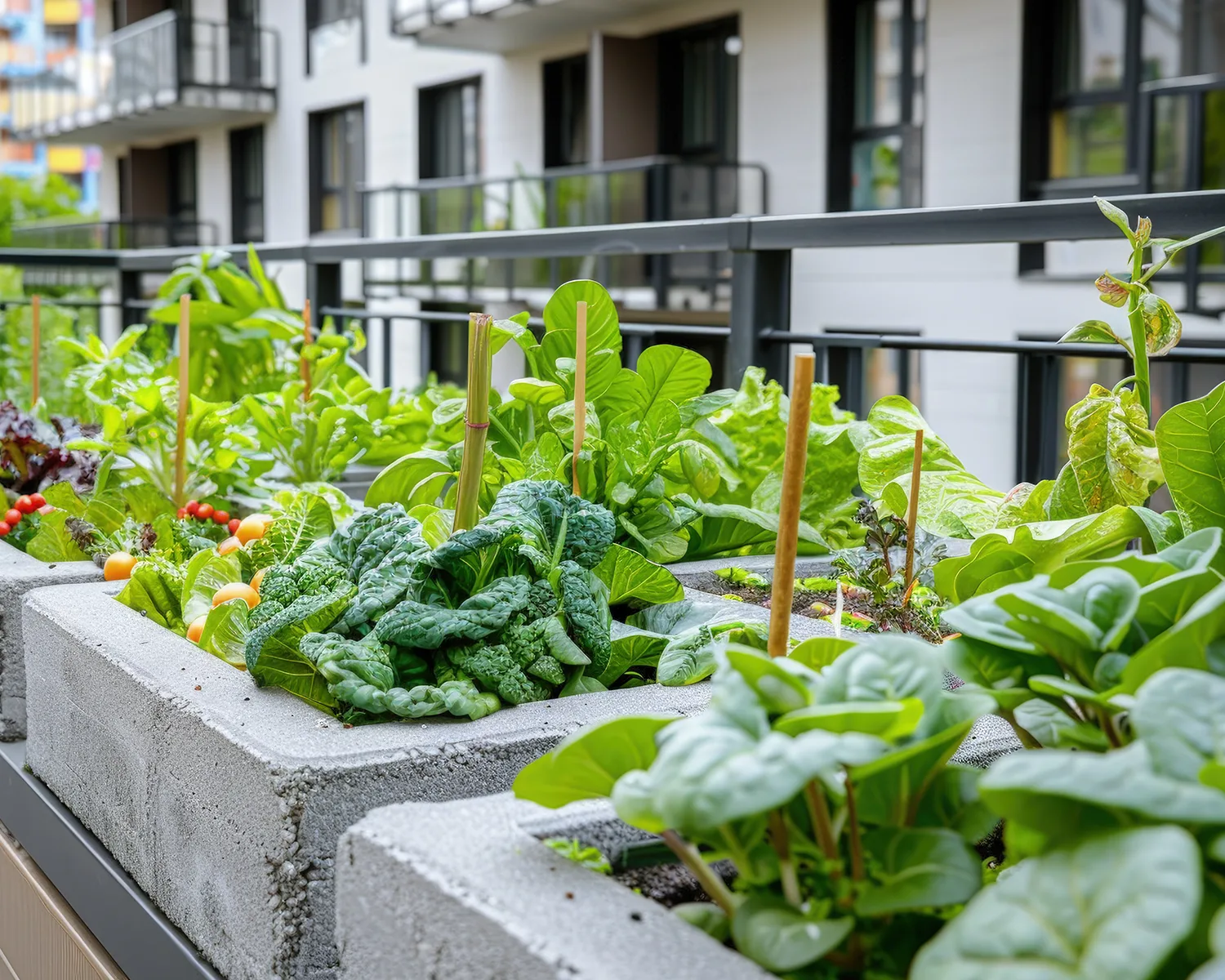
Step 2: choose the right pots
Pot size directly conditions root development and therefore the final size of the plant. As a general reference: herbs and lettuces need pots 15-20 cm in diameter, while tomatoes, peppers or aubergines require a minimum of 30-40 cm in depth and diameter to develop a healthy root system.
For urban spaces, Meliflor ceramic pots (available in different sizes) combine good drainage with a decorative finish designed for terraces and balconies, and they pair with the ceramic saucers to protect the floor from watering.
Step 3: choose a growing medium designed for urban gardening
The growing medium for an urban garden has different needs from that of an indoor grow: it has to retain more moisture (because pots outdoors dry out faster with sun and wind) and provide a stable nutritional base without the need for complex fertigation. Meliflor Urban Garden Substrate is formulated specifically for this use, with a mix that suits both vegetables and herbs in pots. As an alternative with greater nutritional depth for plants that grow larger, Meliflor Superior Substrate is another option within the same range.
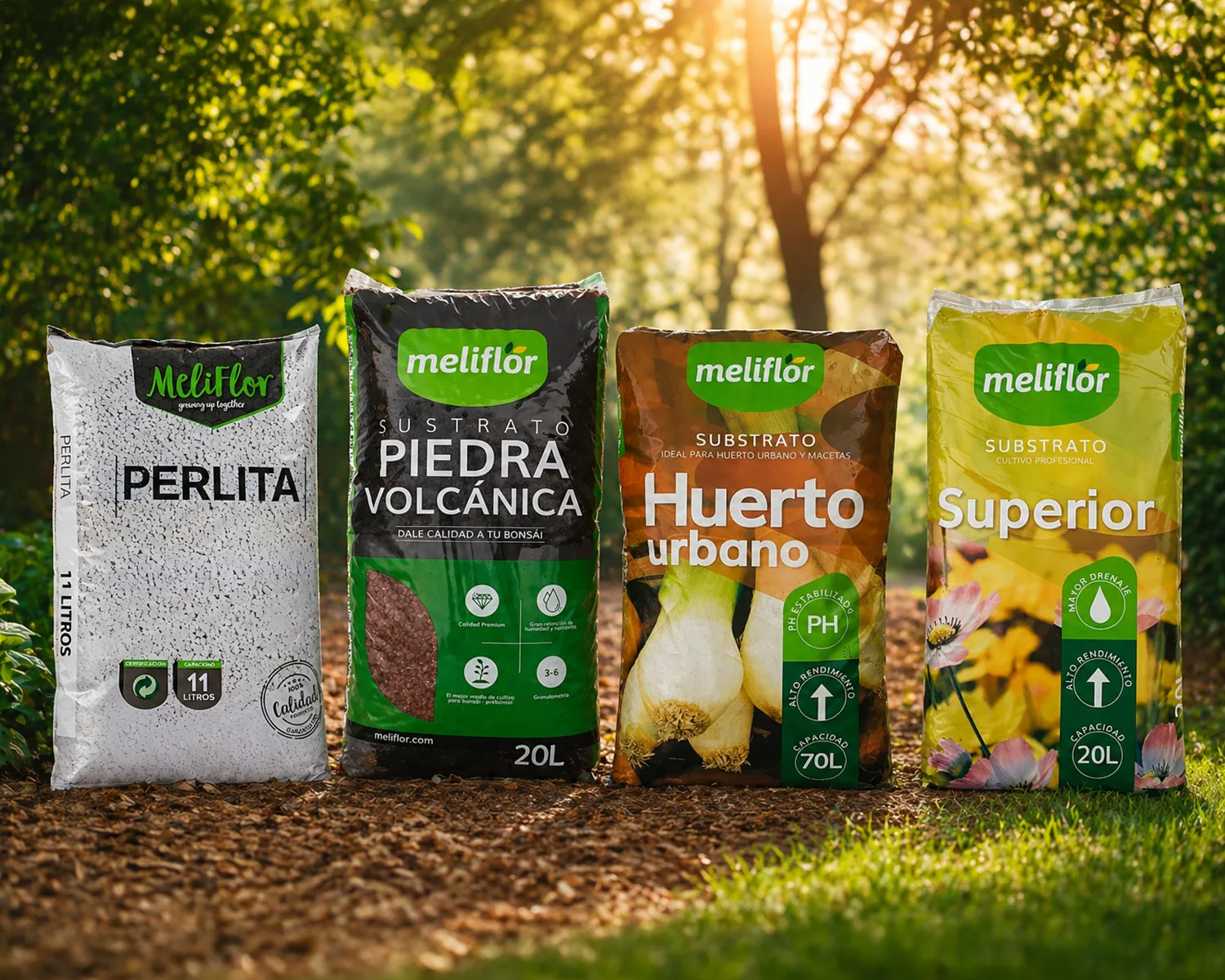
Step 4: what to plant according to the season
- Spring/summer: tomato, pepper, aubergine, courgette, basil, green bean.
- Autumn/winter: lettuce, spinach, chard, rocket, pea, broad bean.
- All year round in a small pot: hardy herbs such as mint, spearmint, rosemary and thyme.
If you want to start without the complication of seed trays, Meliflor seed bombs (basil, spearmint and mint) are a simple way to start your first herbs directly in a pot.
Step 5: manage watering (and avoid the most common mistake)
The number one mistake in urban gardening is irregular watering: overwatering "because it is hot" or falling short out of convenience. Two ways to avoid it:
- Check the real moisture of the growing medium before watering (do not go by the look of the surface alone) with a Meliflor Soil Moisture Meter.
- Adjust watering to the season: in summer, pots on a balcony may need watering daily; in autumn/winter, every 2-4 days is usually enough.
For anyone who wants to go a step further and fine-tune nutrition too, a Meliflor TDS/EC/Temperature meter and a Meliflor pH meter let you check that the irrigation water is within the right parameters, especially if you use liquid fertiliser.
Step 6: transplanting and maintenance
When the seedlings outgrow their initial pot, transplant them to their final container using a Meliflor transplanting mat to keep the working area clean. Check every 2-3 weeks whether the growing medium needs an extra supply of nutrients, especially for fruiting plants (tomato, pepper), which consume a lot of potassium during fruit development.
Conclusion
Setting up an urban garden does not require previous experience, but it does require getting the first step right: a location with enough light, pots of the right size and a growing medium designed specifically for container gardening, such as Meliflor Urban Garden Substrate. Adding a moisture meter and a pH meter from the outset avoids the watering mistakes that tend to frustrate beginners.
Browse the full Meliflor catalogue at naturalsystems.es